

From the moment I landed in Halifax for the Congrès Mondial Acadien, French was visibly present. On the airport signage, on the snack packaging, on the restroom doors. Gaston Saulnier, who works for the Nova Scotian Office of Acadian and Francophone Affairs, was kind enough to pick me up at the airport and let me tag along with him and his miniature Schnauzer, Samuel de Champlain, “Sam,” for the three-and-half-hour drive to La Baie Sainte-Marie. We talked the entire time.
About Nova Scotia.
About Louisiana.
About politics.
About the weather.
About our professional experiences.
About our families.
All en français.

When we arrived at L’Université Sainte-Anne, where I would spend the next two nights, I retrieved the key to the student housing room en français. I hadn’t eaten anything but snacks for most of the day, so I walked across the road to the food stand and ordered fried fish, french fries and a chocolate shake en français. I like my shakes rather chocolately, so I made sure to tell the lady working the counter that I wanted it very brown, en français.
The next morning, walking from the residence to the conference room, people greeted me en français and I responded en français. I walked into the university building and was directed to the conference room en français where I then participated in a panel discussion, all en français.

Sunday afternoon
All day Monday
All day Tuesday

All day Wednesday (I participated in panel discussion about sustainable tourism at an economic development forum)
All en français
On Thursday, I finally made it to Yarmouth to visit L’Échange, the tourism and local products marketplace where I
spoke only en français,
picked up brochures en français,
read promotional signage en français until…
I arrived at the Louisiana booth.
In Louisiana, I had to speak English.
And the Acadians did, too.
******************************
To avoid any misunderstanding, let me clarify that this article is not meant to reflect negatively on the wonderful Louisiana ambassadors who were there from tourism entities at the state and parish levels.
It does, however, underline once again the extent to which Louisiana is not represented as it could and should be to Francophone audiences, especially within the context of an event that commemorates the survival and perseverance of a French-speaking people following a literal ethnic cleansing in large part because they refused to speak English. #paradox
For the most part, we do a really good job of promoting Louisiana as a tourism destination, but only in English. Our university tourism programs do not require French (or any language) to obtain a degree. We are not actively cultivating, training, and hiring French-speakers to work in tourism or any other industry.
And what our English-only leaders and colleagues simply cannot or refuse to understand is that our Francophone guests come to Louisiana because they think they can experience Louisiana en français. We are selling a product that we do not deliver. But we could…
Of all the museums and attractions in the state, only three offer daily tours or programming in French : Laura Plantation, The West Baton Rouge Museum, and Vermilionville.
Only three en français.
There are no salaried French-speaking employees in any of the tourism promotion agencies at the state level or in any of the largest cities, including New Orleans and Lafayette.
None en français.
******************
Many of the discussions at the Congrès Mondial Acadien centered on la francophonie économique (the French-speaking economy), yet the French language in Louisiana remains stagnated in a caricatured, folkloric version of what it could be.
I came home both energized and… frustrated.
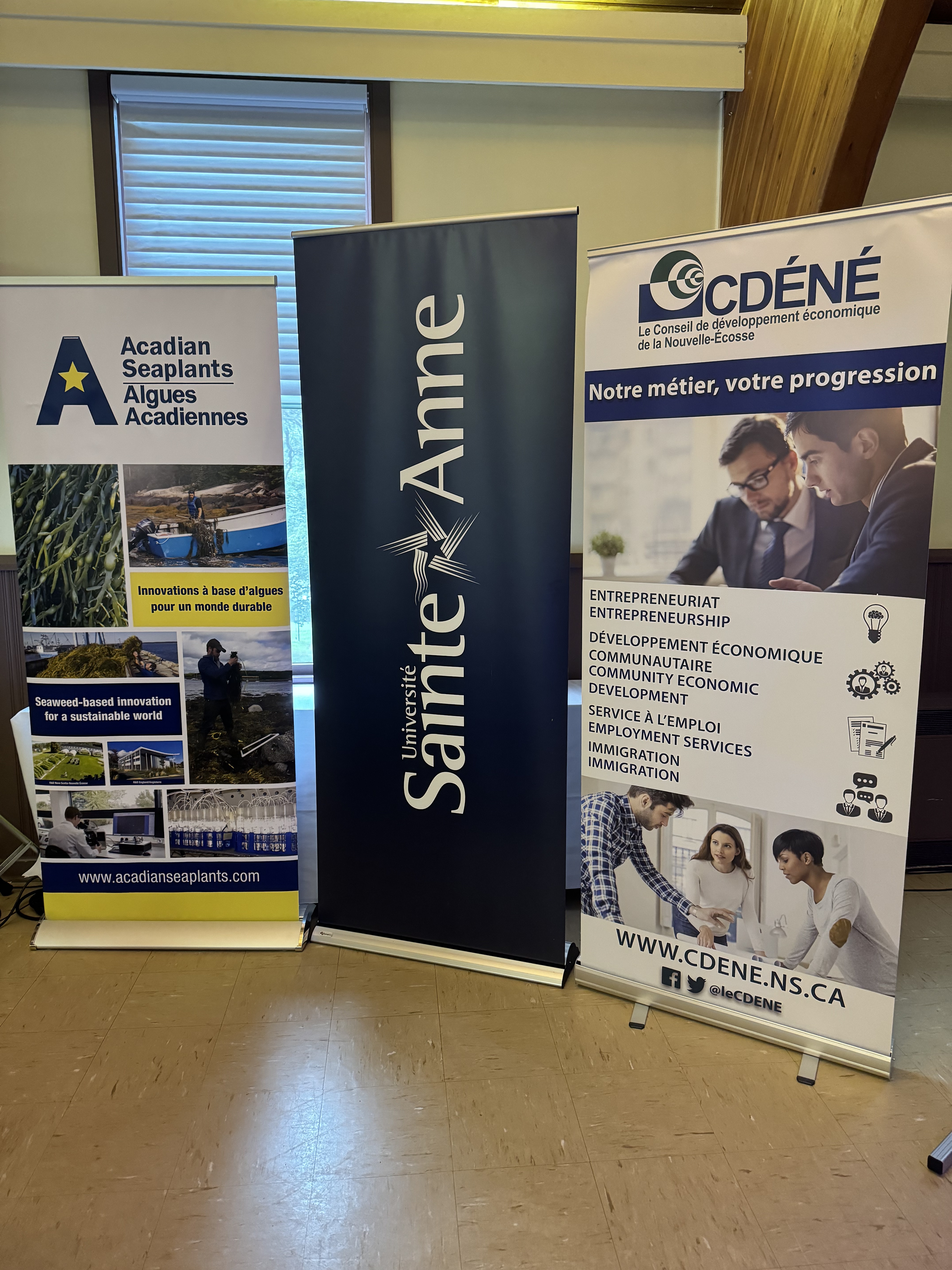
ENERGIZED because I know that it is possible to live and work and socialize and laugh and drink and eat and shop in French in North America. In Acadie, people are paid to work in French-language cultural and economic development agencies. French is sustainable because it’s tied to educational, social, professional, and economic ecosystems.
FRUSTRATED because I clearly see the potential for French in Louisiana that we have simply not made the effort to develop. Here, French-language projects are led by volunteers who quickly burn out and move on. We do not have professional and economic structures in French. We don’t train young people to work in French. We constantly reinvent the wheel while lamenting that “French is dying.”
We talk a damn good game about “preserving our culture,” but what about developing French as an integral part of that “culture” and making it socially and economically viable ? French as more than a party trick. French as something more than the language that we only speak to tourists or when we travel.
As crazy as it sounds, I still believe it’s possible. Our Acadian cousins and friends want to help.
But we have to want it.
And we have to work for it.
© Joseph Dunn, 2024
 louisiana | perspectives | louisianaises